


Lacquergram: for Nail Polish L
4.486.00 Reviews
App Specs
- Version
- 2.9
- Updated On
- License
- Free
- Downloads
- 50,000+
- Developer
- Lacquergram
- Categories
- Beauty
- Platform
- Android
Screenshots
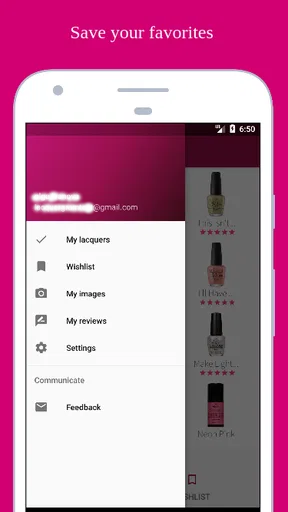
 Analysis by AppCompare
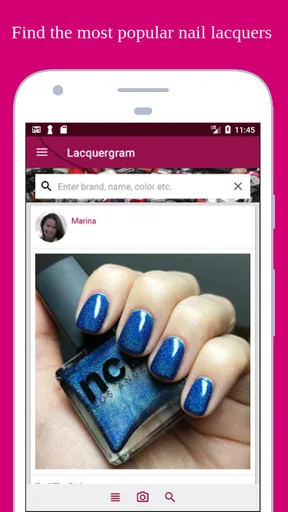
I came to Lacquergram with a familiar beauty problem: several nail polishes, an imperfect memory of their colors, and no reliable way to remember which shades I already owned. This free beauty app from Lacquergram is built around that exact situation. Rather than treating nail polish as a simple shopping item, it gives your collection a place to be organized while also making shade discovery part of the same routine.
My first impression was that the app makes more sense for someone with an active polish collection than for a person who buys one bottle occasionally. If you enjoy comparing colors, planning manicures, or checking your stash before purchasing another similar shade, the idea is immediately useful. The experience is more specialized than a general notes app, but that specialization is also its main reason to exist.
From a scattered stash to a usable routine
The starting condition matters here. A nail-polish collection is easy to underestimate because each bottle seems small, yet the practical problem grows quickly: colors get forgotten, finishes blur together, and a new shade can look different in a store than it does beside the bottles already at home. I found the app most valuable when I treated it as a personal catalog rather than as a place to browse aimlessly.
The basic workflow begins with recording the polishes I want to remember. I can then use the collection as a visual reference when deciding what to wear or whether a potential purchase fills a real gap. That simple change—from relying on memory to checking an organized stash—makes the app more useful than a generic list of product names.
The developer, Lacquergram, has kept the concept focused on polish lovers rather than stretching it into a broad beauty organizer. That focus is reflected in the store summary, which centers on organizing a stash and discovering new shades. In practice, the two sides support each other: the collection tells me what I have, while discovery encourages me to think about what I might want next.
Building the collection without making it a chore
Adding a collection is the first point where expectations should stay realistic. This is not the same as opening a camera and having every bottle identified automatically. The useful habit is to enter items carefully enough that the information will still help later. A rushed catalog can become another messy list, especially if several shades have similar names or appearances.
I recommend starting with the polishes I use most often instead of trying to document everything in one sitting. That creates an immediately useful core and lets the catalog fit naturally into a manicure routine. When I later need to check whether I own a certain kind of color, the collection already contains enough context to guide the decision.
Worth Reading Before You Choose

EA SPORTS FC Mobile 26 Is a Bigger Football Game, but It Takes Time

Flipboard Shows What News Apps Must Do Beyond the Feed

Switching to Android Auto Means Rethinking Your Driving Routine

Google Calendar Makes a Crowded Week Easier to Manage

Ludo King Makes the Most of the Minutes Between Plans

Baby Panda World Brings Quick Play to Modern Phones, but Its Game Library Feels Busy
A practical trick is to use the app before shopping, not after. If I am looking at a muted pink, a dark red, or another color family that already appears often in my stash, checking the collection first can prevent an accidental duplicate. This is one of the less obvious strengths of a specialized organizer: it turns browsing into a decision supported by what I already own.
The trade-off is the time required to keep the collection current. A catalog only remains helpful when new purchases are added and old assumptions are corrected. Someone who dislikes maintaining personal inventories may find the setup more effort than the benefit is worth. For a collector, though, that small amount of upkeep can save repeated searching later.
Moving from inventory to shade discovery
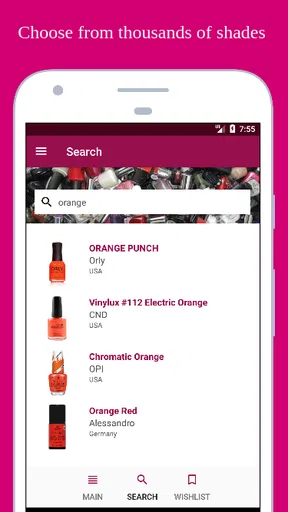
Once the stash is in better shape, the discovery side becomes more purposeful. Instead of browsing every possible color without a plan, I can use what I already own as a reference point. I might look for a shade that contrasts with my usual choices, complements a planned outfit, or gives me a finish or tone that is missing from the current collection.
This is where the app differs from ordinary shopping apps. A retailer wants to show me products available to buy; a general note-taking app can record names but usually does little to inspire the next choice. Lacquergram sits between those experiences. It is centered on personal organization, yet it keeps discovery close enough that cataloging does not feel completely separate from enjoying the hobby.
I would not use it as my only source of color judgment. Nail polish can look different depending on lighting, screen settings, nail length, and the surrounding colors. A digital view is helpful for narrowing choices, but I would still treat it as a planning aid rather than a perfect substitute for seeing a bottle or swatch in person.
That limitation actually suggests a better workflow. I use the app to create a shortlist, then compare the shortlisted shades in a store or against photos taken in consistent lighting. The app handles memory and organization; my eyes handle the final color decision. The strongest result comes from using it as a companion to real-world comparison, not as an unquestionable color authority.
How the handoffs work in everyday use
The most realistic scenario is a shopping decision. Imagine that I am preparing for a weekend event and want a new polish, but I cannot remember whether I already own something close to the shade I have in mind. Before buying, I open my collection, review the nearby colors, and decide whether I need a true addition or simply forgot about an existing bottle.
If the collection shows a close match, the handoff is from app to vanity: I stop shopping and pull out the bottle I already have. If there is a genuine gap, the handoff moves from catalog to discovery: I use the app to refine the kind of shade I want, then make the purchase decision elsewhere. In both cases, the app reduces uncertainty without pretending to complete the entire beauty routine for me.
Another useful situation is planning several manicures in advance. I can review the collection and choose a small group of candidates before opening drawers or carrying bottles around the room. That is especially convenient when the stash is spread across different storage boxes. The app becomes a visual checkpoint between the idea of a manicure and the physical selection of products.
There is also a social handoff. If a friend asks what colors I have, a dedicated catalog is easier to consult than a long message, scattered photographs, or a vague description from memory. I can use the organized collection as a conversation starter when comparing preferences or deciding what to lend. The value here is not a formal sharing system; it is the fact that my own information is easier to find and explain.
For people who buy polish as gifts, the same workflow can help avoid choosing a color too close to something the recipient already owns—provided the collection is maintained accurately. That condition is important. The app can improve a decision only when the information going in is dependable enough to support the handoff from record to action.
What the result feels like after regular use
The payoff is not a dramatic transformation. It is a gradual reduction in small annoyances. I spend less time opening every storage box to confirm what I own, and I can approach shade discovery with a clearer idea of what would actually add variety. For a hobby that often involves many visually similar products, that clarity is meaningful.
I also like that the organization can change the way I shop. Instead of treating every attractive bottle as an isolated temptation, I can think in terms of the whole collection. Do I already have several close alternatives? Am I missing a color that would create more combinations? Is the new shade interesting enough to justify the space and cost? Those are better questions than simply asking whether the bottle looks appealing on its own.
The app’s audience is reflected in its adoption and reception: it has passed fifty thousand installs and holds a 4.4 average from around five hundred ratings. Those figures suggest a real niche audience rather than a completely experimental tool, but they should not be read as proof that every polish collector will enjoy the workflow. A specialized app can be well received and still feel too detailed for casual users.
It is free to install, which makes trying the basic concept relatively easy. There are also in-app purchases ranging from $1.99 to $14.99 per item, so I would review any optional purchase screen carefully before committing. The free entry point is helpful for testing whether I will actually maintain a stash, while the paid options mean the full experience may not feel identical for every user.
The app is rated for Everyone, and its current version is 2.9. It supports devices running Android 7.0 or later, which covers a broad range of phones but still makes the operating-system requirement worth checking before installation. It was released on March 23, 2018, so this is an established app rather than a brand-new experiment, though an older release history can also make some users more attentive to how comfortably it fits a modern device.
Where the workflow becomes less comfortable
The biggest friction is the same feature that creates the main benefit: organization requires participation. If I add products inconsistently, forget recent purchases, or stop correcting the collection, the app gradually becomes less trustworthy. A specialized catalog does not remove the work of cataloging; it simply makes that work more useful once completed.
There is also a risk of over-organizing. If I only own a handful of polishes, opening a dedicated app may be slower than looking in a drawer. A simple phone note or a few photographs can be enough for a small collection. Lacquergram makes more sense when the stash has become difficult to remember, compare, or shop around.
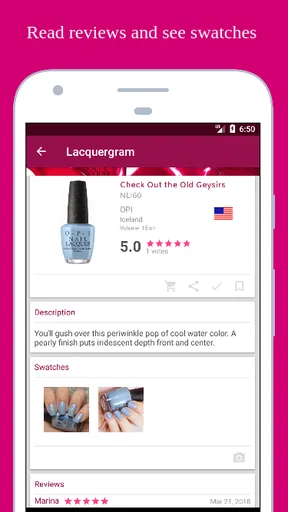
Color discovery has its own boundary. A shade name or digital representation cannot fully communicate opacity, texture, application behavior, or how a polish looks under every kind of light. I would not rely on the app alone when the exact undertone matters, especially for a purchase where a near-match would be disappointing. The better approach is to let the app narrow the field and then verify the final choice through a physical bottle, a trusted swatch, or consistent personal photos.
Another possible friction is the relationship between free access and optional purchases. Someone expecting every organizational or discovery element to remain available without limits may want to explore the app first and understand where the paid items appear. That is not automatically a flaw, but it affects the value calculation. A collector who uses the app weekly may see more benefit than someone who opens it only when a shopping decision comes up.
I would also skip it if I want a general beauty diary, appointment planner, or broad makeup inventory. Its identity is tied to nail polish and shade organization. Choosing a more general tool would be better for someone who wants one place for skincare, cosmetics, routines, and appointments rather than a focused home for polish-related decisions.
Small habits that make the catalog more useful
I get better results when I add items in batches that have a clear purpose. For example, I might catalog the colors currently in regular rotation first, then add special-occasion shades, and only afterward deal with bottles I rarely use. This keeps the initial effort manageable and means the first version of the collection already answers practical questions.
I also avoid treating similar colors as interchangeable. Two bottles that both look “red” in a drawer may serve very different purposes once I consider their depth, mood, or relationship to the rest of the stash. Recording them as separate items preserves the reason for owning both and makes discovery more precise later.
Before shopping, I use a three-step check: search the collection, identify the closest existing alternatives, and decide what difference I want the new shade to make. That final step is the one many people skip. It changes the task from “find a pretty color” to “find a color that adds something,” which is a more reliable way to avoid duplicates.
For visual decisions, I prefer to compare candidates under the same lighting rather than trusting a quick glance at different times of day. The app can organize the references, but consistent viewing keeps the handoff to a real purchase grounded. This is a small workflow improvement, yet it addresses one of the main weaknesses of any digital shade catalog.
Who should make room for it
I would recommend Lacquergram to a nail-polish enthusiast who has enough bottles to lose track of them, enjoys discovering shades, and is willing to maintain a personal collection. It is particularly useful for someone who regularly buys near-duplicates, rotates colors seasonally, or wants a faster way to choose from a larger stash.
I would be more cautious for a casual user with only a few bottles, someone who wants automatic product recognition, or anyone looking for a complete beauty-management app. Those needs point toward a simpler note, photo album, retailer wishlist, or broader organizer. A different option may be better if the catalog itself feels like a burden.
For me, the app succeeds because it connects three moments that are usually separate: remembering what I own, deciding what I want, and choosing what to use. It does not eliminate every manual step, and it cannot replace seeing a color in person, but it gives the collection enough structure to support real decisions. If your nail-polish stash has outgrown memory, Lacquergram is worth trying as a focused, practical organizer rather than treating it as just another shopping app.
Pros
- Tracks your nail polish collection in one convenient place.
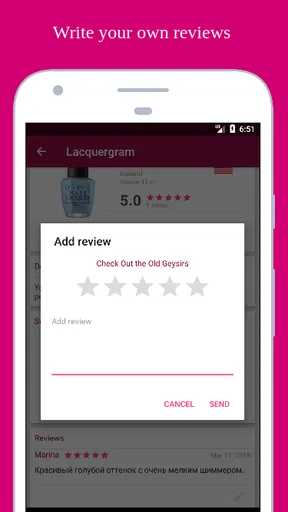
- Makes it easy to discover colors and finishes from other users.
- Useful for avoiding duplicate purchases when shopping.
- Helps organize polishes by brand
- shade
- finish
- or personal tags.
- A visual catalog can inspire new manicure combinations.
Cons
- Some product details may depend on user-submitted information.
- Large collections can take time to add and organize manually.
- Shade colors may look different across phone screens.
- Rare or discontinued polishes may be difficult to find.
- Social features may be less useful with a small user community.
FAQs for Lacquergram: for Nail Polish L
What is Lacquergram: for Nail Polish L and what can I use it for?
Lacquergram: for Nail Polish L is a mobile app designed for people who enjoy nail polish and want to organize, discover, and keep track of their collection. You can browse polish information, save products you own or want to try, create personal lists, and explore manicure-related content. It is especially useful for users who want a convenient digital catalog instead of managing their collection manually.
Can I use Lacquergram to catalog my personal nail polish collection?
Yes, one of the app’s most useful purposes is keeping a digital record of your nail polishes. You can typically add products to your collection, mark favorites, and separate items you own from those on your wishlist. This makes it easier to remember shades, brands, and finishes, particularly if you have a large collection or often purchase limited-edition and indie polishes.
Does Lacquergram include information about brands, shades, and polish finishes?
Lacquergram focuses on helping users find and organize detailed nail polish information. Depending on the product and available community data, listings may include brand names, shade descriptions, finishes, collections, images, and related notes. Information can vary between entries, so users should still check the manufacturer’s official page or retailer details for current availability, ingredients, pricing, and exact color representation.
Is Lacquergram free to download, and are there any in-app purchases?
The app may be available to download at no initial cost, but its exact pricing model can depend on the platform, location, and current version. Some features may be supported by advertising, optional purchases, or premium access. Before downloading, review the Google Play Store or Apple App Store listing carefully for subscription terms, in-app purchase details, and whether any advanced collection or community features require payment.
Is an account or internet connection required to use Lacquergram?
Some basic browsing or collection functions may work without constant connectivity, but an internet connection is generally important for loading product information, images, updates, and community content. Creating an account may also be necessary to synchronize your collection, participate in social features, or preserve data when changing devices. Check the app’s current privacy policy and permission requests before registering or uploading personal information.


